

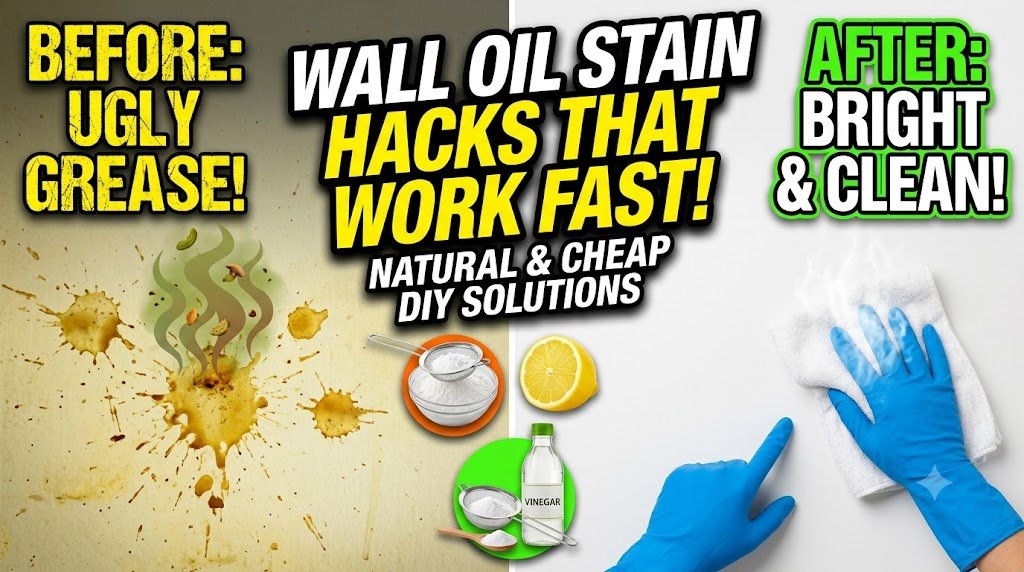
Kitchen Wall Oil Stain Removal Hacks That Actually Work Fast
The kitchen is the absolute heart of the home, but it is also a total magnet for messy disasters. You spend an hour frying up something delicious, and the next thing you know, you look up and see it. A massive, ugly yellow grease splatter right on your beautiful kitchen wall. It completely ruins the whole vibe of the room.
Your first thought is probably to grab a heavy sponge and start scrubbing like a maniac. Trust me, do not do that. You are just gonna smear the grease around and make a tiny splatter look like a giant dark cloud.
Washing oil off kitchen walls is a giant pain because grease loves to fuse with paint. If you use a super harsh cleaner, you will pull the paint right off the drywall. If you ignore it, the grease turns into a sticky dust magnet that smells bad. But do not panic, because you do not need to call a professional painter just yet.
I have spent months testing every single DIY trick out there on my own messy walls. I finally found a handful of weird hacks that actually dissolve grease in seconds. Let’s break down how to get your kitchen looking brand new using stuff you already own.
The Big Mistakes Everyone Makes First
Before we talk about the hacks, we need to cover what not to do. Most people ruin their walls before they even give the cleaning products a chance to work.
Scrubbing Hard Is The Enemy
When you see a dark grease spot, you wanna press down hard and scrub. Don’t do it. Kitchen paint is tough, but it cannot handle intense friction. Scrubbing hard breaks down the outer layer of the paint, leaving a permanently dull spot that looks worse than the original stain.
Using The Wrong Type Of Cloth
Never use old colored rags or cheap green scrubby pads from the sink. The green pads act like sandpaper and will destroy your wall finish in two seconds. Colored rags can actually bleed their dye onto light-colored walls when mixed with warm cleaning solutions. Always stick to pure white microfiber cloths.
Forgetting To Test A Hidden Spot
Every paint brand reacts differently to DIY cleaners. Before you wipe a massive oil stain right in the middle of the kitchen, test your mixture behind the refrigerator or near the baseboards. Make sure it does not change the color of the paint or leave a weird ring behind.
My Clumsy Bacon Disaster (And The Hack It Taught Me)
Let me share a quick story about how I learned the absolute best wall hack by complete accident. A few weeks ago, I was frying up a massive breakfast. I had about 2 lbs of thick-cut, extra-greasy bacon sizzling away in my favorite cast-iron skillet.
I turned away for a second, and the pan let out a massive pop. A huge wave of hot bacon grease shot straight up onto my wall, creating a disgusting splatter zone that covered a 15-inch area right above the backsplash. It looked like a total disaster.
In a massive rush to fix it before it dried, I grabbed a bottle of heavy-duty degreaser and sprayed it everywhere. Huge mistake. The chemical reaction was way too intense for my latex wall paint. Within a few seconds, a 6-inch circle of paint started bubbling and peeling right off the drywall. I was devastated.
The Secret Heat Hack
I needed a way to pull the grease out without using harsh liquids that dissolve paint. That is when I tried a crazy experiment using a standard clothing iron and a cheap white paper towel.
I set the iron to a very low heat setting, right around 120 degrees Fahrenheit. You want to make sure the steam function is completely turned off because moisture will ruin the drywall. I placed the paper towel directly over the stubborn bacon grease splotch.
Then, I gently pressed the warm iron flat against the paper towel for exactly 12 seconds. The low heat immediately liquified the hardened bacon fat inside the wall pores, and the paper towel sucked it right out. It was wild to watch. The towel turned dark and translucent from the grease, and the wall underneath was left perfectly clean without losing a single drop of paint.
The Ultimate Kitchen Wall Cleaning Showdown
Not all grease stains are created equal. Some are fresh and runny, while others have been baking next to your stove for three years. Here is a quick breakdown of which hack works best for your specific situation.
| Stain Age | Best Remedy To Use | Time Required | Paint Safety Rating |
| Fresh Cooking Splatters | Blue Dish Soap Spray | 2 Minutes | Very High (Super Safe) |
| Old Baked-on Grease Film | Cornstarch Paste | 15 Minutes | High (Gentle Absorbent) |
| Deep Massive Oil Rings | The Warm Iron Hack | 5 Minutes | Medium (Watch the heat) |
| Sticky Yellow Grime Layer | White Vinegar Mist | 10 Minutes | High (Cuts through film) |
Method 1: The Classic Blue Dish Soap Spray
This is always your first line of defense. Dish soap is literally designed by scientists to chemically break down oil molecules on contact, making it perfect for fresh kitchen messes.
How To Do It Right
-
Mix your cleaner: Fill a clean spray bottle with two cups of warm water and one tablespoon of concentrated blue dish soap. Give it a gentle shake to mix it up.
-
Prep your cloths: Get two clean white microfiber cloths. Wet one with plain warm water and wring it out so it is barely damp. Keep the other one completely dry.
-
Mist the wall: Spray the soapy solution directly onto the grease splatter. Do not drench the wall. A light misting is all you need. Let it sit for about 60 seconds to work its magic.
-
Wipe up and down: Take your damp cloth and wipe the area using gentle, straight vertical strokes. Never rub in circles or you will just spread the oil footprint around.
-
Dry the surface: Use your dry microfiber cloth to buff the wall dry immediately. Leaving moisture on the wall can cause water spots.
Method 2: The Deep-Pull Cornstarch Paste
If you are dealing with a dark oil ring that has already soaked deep into the paint texture, you need something that will draw the oil outward. Cornstarch is amazing at this because it acts like a million tiny dry sponges.
How To Do It Right
-
Build the paste: Put three tablespoons of cornstarch into a small bowl. Slowly add one tablespoon of water and mix it with a spoon until it looks like thick white glue.
-
Apply to the spot: Use your fingers or a soft sponge to smear the paste completely over the oil stain. Make sure the layer is about an inch wider than the stain itself.
-
Let it dry completely: Leave the paste alone for about 20 minutes. As the water evaporates, the cornstarch will pull the trapped kitchen grease right out of the wall finish.
-
Brush it off: Once the paste turns into a dry, flaky powder, use a soft-bristled clean brush or a dry paper towel to gently brush it away into a trash can.
-
Final wipe: Use a slightly damp cloth to remove any leftover white powdery residue, then pat it dry.
Method 3: The Sticky Grime Vinegar Mist
Over time, cooking vapor rises and creates a sticky, yellow film across the entire upper half of your kitchen walls. Dish soap takes too long to clean this, but plain white vinegar cuts right through it.
How To Do It Right
-
Create a 50/50 blend: Mix equal parts white vinegar and warm water inside a clean spray bottle. Do not use dark apple cider vinegar or you will stain your walls permanently.
-
Spray the upper walls: Spritz the sticky areas lightly. The natural acid inside the vinegar will instantly start dissolving the sticky grease bonds.
-
Let it sit: Leave the mist on the wall for about 3 minutes so it can penetrate the grime layer.
-
Wipe the film away: Use a clean rag to wipe the wall down. You will see the yellow film transfer right onto your cloth. Rinse your cloth frequently in clean water as you move across the room.
What To Do If The Stain Is Totally Permanent
Sometimes, you encounter an old grease spot that simply refuses to leave. If you tried the iron trick, the cornstarch, and the vinegar, and a dark shadow is still visible, the oil has soaked completely through the paint layer and deeply embedded itself into the porous drywall underneath.
Washing it more is just gonna destroy your wall texture. At this point, your only real option is to paint over the spot. But wait, do not just throw standard wall paint directly over the grease spot.
Oil and water do not mix. If you paint right over an unsealed oil stain, the grease will slowly bleed right through your fresh new coat of paint within a month, leaving an ugly yellow shadow.
To fix this forever, head down to your local hardware shop and grab a tiny can of oil-based stain-blocking primer. Apply two thin coats of this specialty primer directly over the grease spot and let it dry for a day. The primer creates a bulletproof chemical barrier that locks the oil inside the wall. Once it dries, you can paint over it with your regular wall color and the stain will be gone for good.
Frequently Asked Questions
Can I use a magic eraser on kitchen grease?
You can, but you have to be super careful with your technique. Magic erasers are made of melamine foam, which acts like incredibly fine sandpaper. If you use them on shiny semi-gloss kitchen paint, they will scratch the shiny finish away, leaving a permanently flat, dull circle. Only use them on matte paint, and use the lightest touch possible.
Will the vinegar smell stay in my kitchen forever?
Not at all. The strong sour smell of white vinegar vanishes completely the exact second the liquid dries on the wall. Usually, within 30 minutes, the smell will be totally gone, taking all the old stale cooking odors along with it.
Why did my wall turn white after using baking soda?
If you used baking soda instead of cornstarch and see a white haze, it means you did not rinse the area well enough. Baking soda leaves a heavy crystalline residue behind when it dries. Just take a warm, damp cloth and wipe the area down one more time to dissolve the leftover powder.
Can I use Dawn powerwash spray on walls?
Yes, but you need to be careful because it is highly concentrated. Do not spray it directly onto the wall and let it sit for a long time. Spray it onto a damp cloth first, wipe the grease spot gently, and then rinse the wall immediately with clean water so the strong soap does not dull the paint finish.